Poster Presenters
Twenty-six posters by graduate students, early-career researchers, and established scholars from Canada, Ukraine, Europe, and Japan are on display at the Edmonton Convention Centre throughout the symposium. Topics include translation and literature in wartime, memory and landscape, migration to Canada and Manchuria, Crimean Tatar and Indigenous studies, Ukrainian language teaching, Holodomor education and KGB archives.
The authors will present their work on Thursday, 29 October, from 4:45 p.m. to 6:45 p.m., and all symposium participants are welcome to come and talk with them during the session.
-
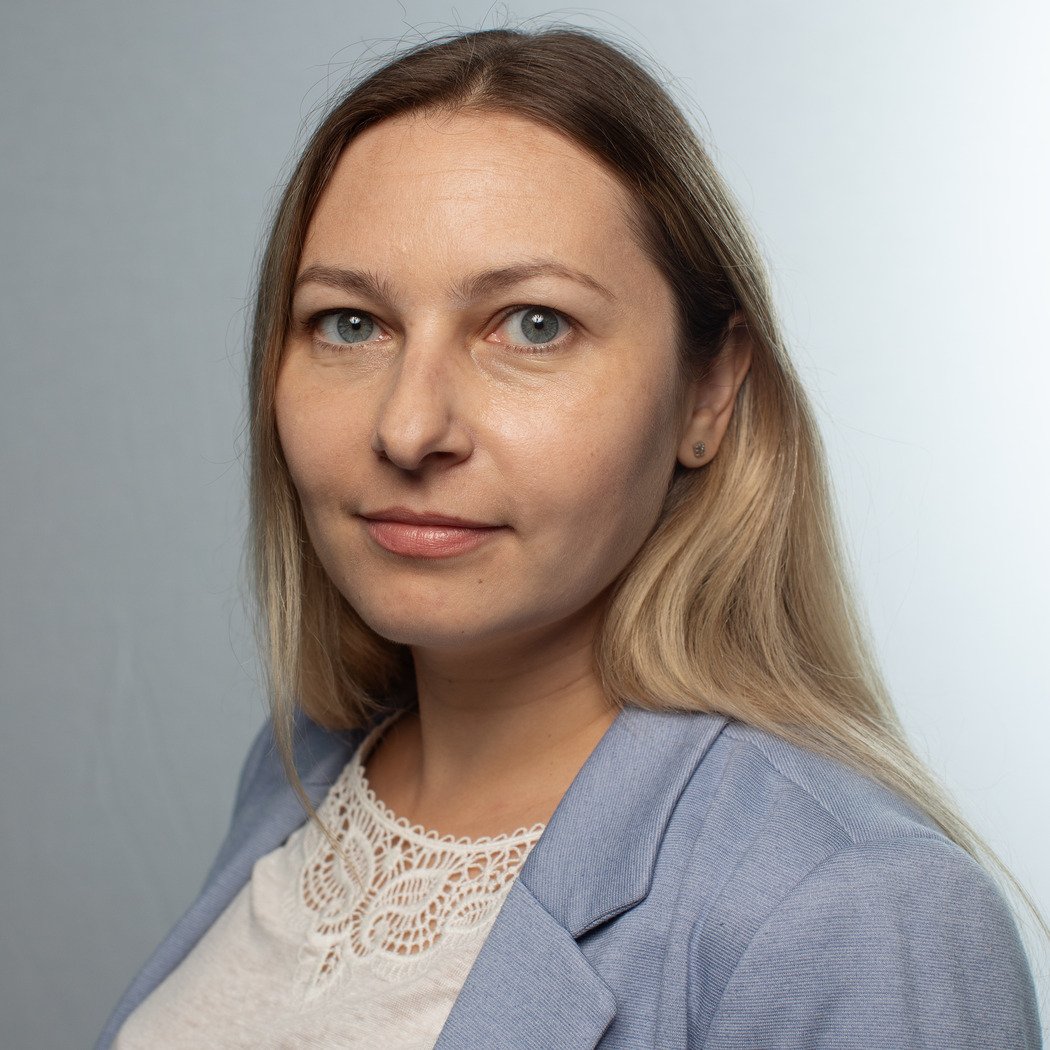
Anna Antonova
"Words on the front lines: Weaponized and resistant translation in the Russo-Ukrainian war"
-
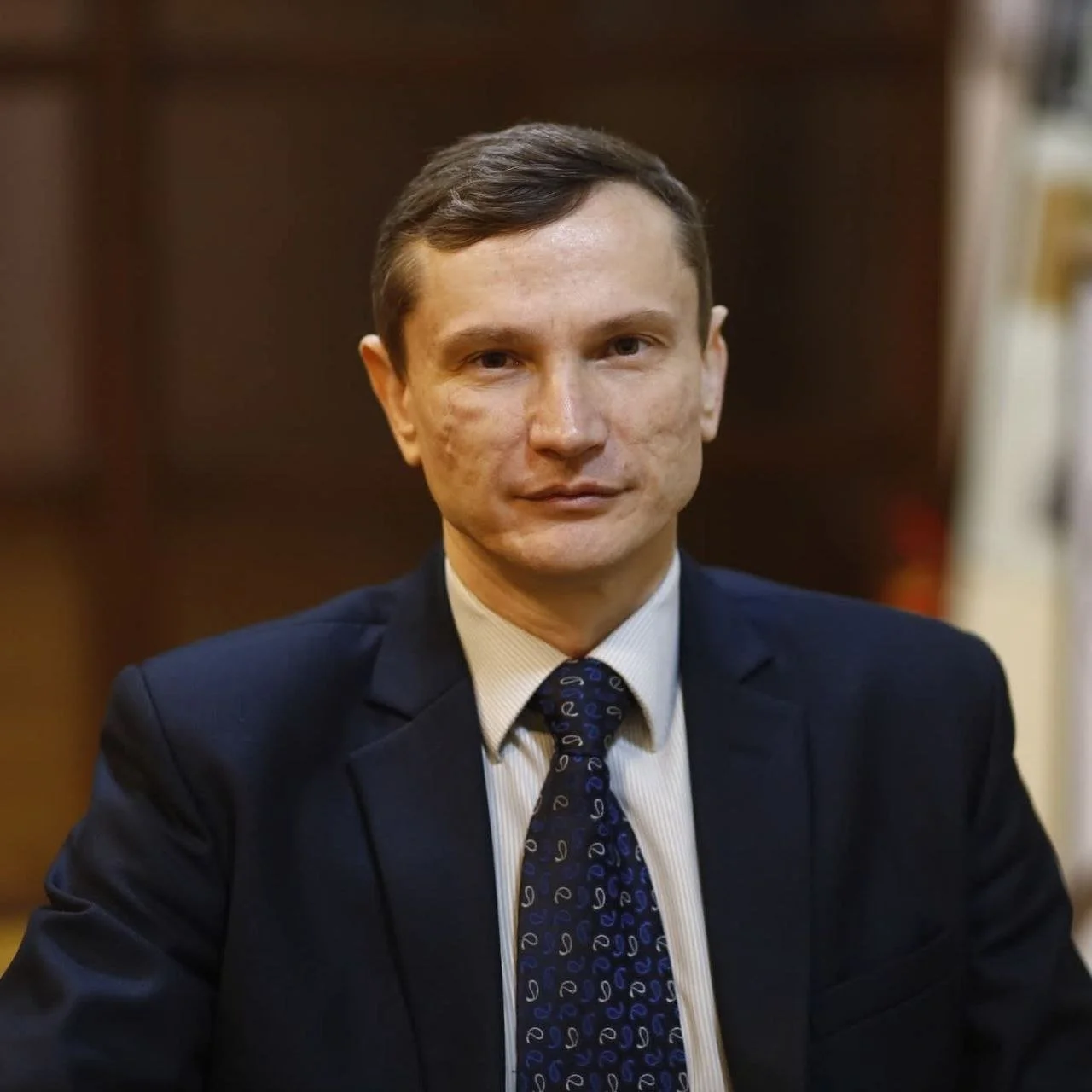
Serhii Bilivnenko
“‘Voices of Steppe Ukraine’: A project to preserve the archive of the Yakiv Novytskyi Zaporizhzhia Scientific Society”
-
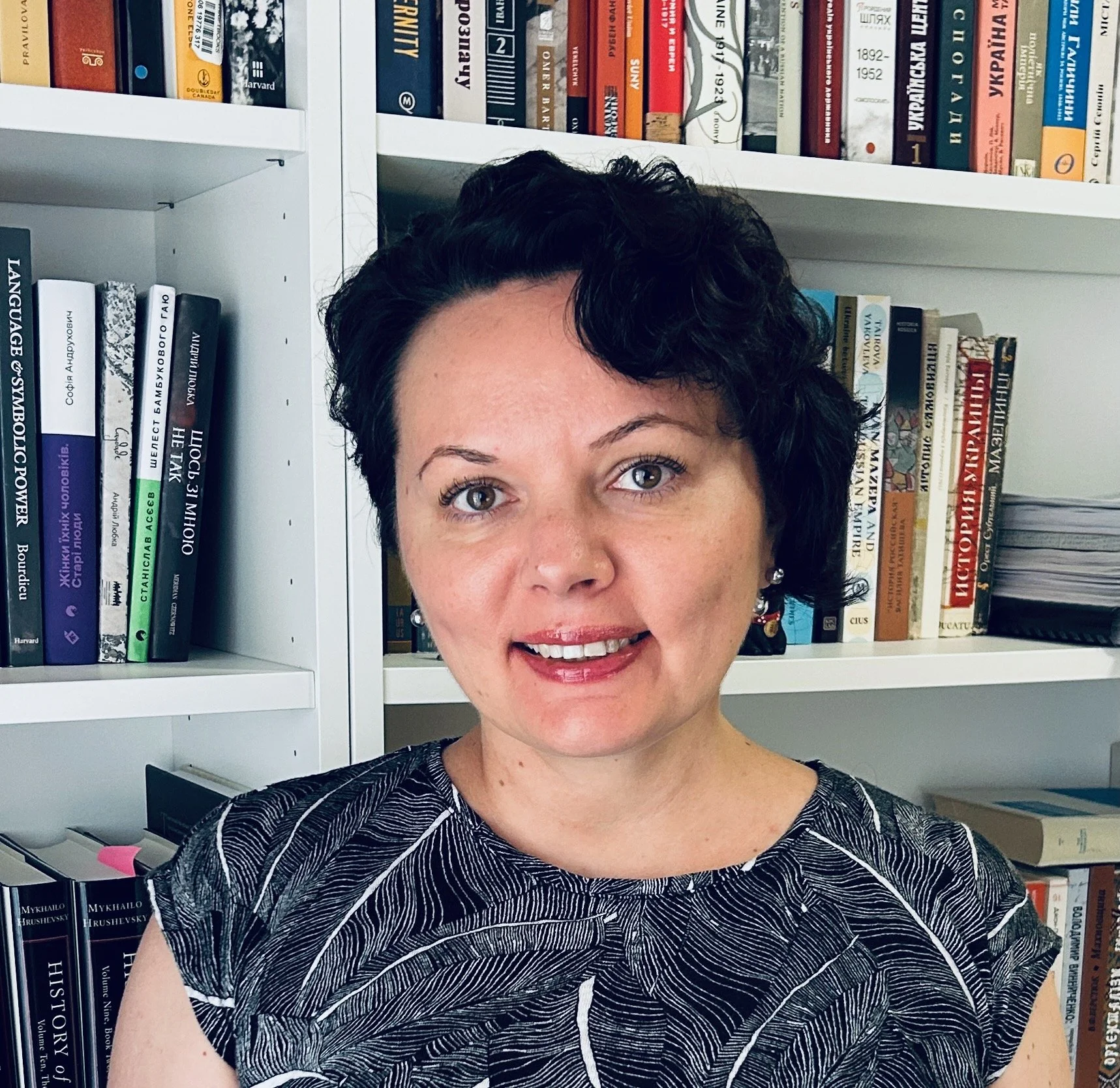
Larysa Bilous
“KGB and the Ukrainian Diaspora: Digital Archives and Research Lab | “The Adalet Digital Reading Room. Undoing the Language of the KGB Files: Indigenous Peoples of Soviet Crimea (1944–1991)”
-
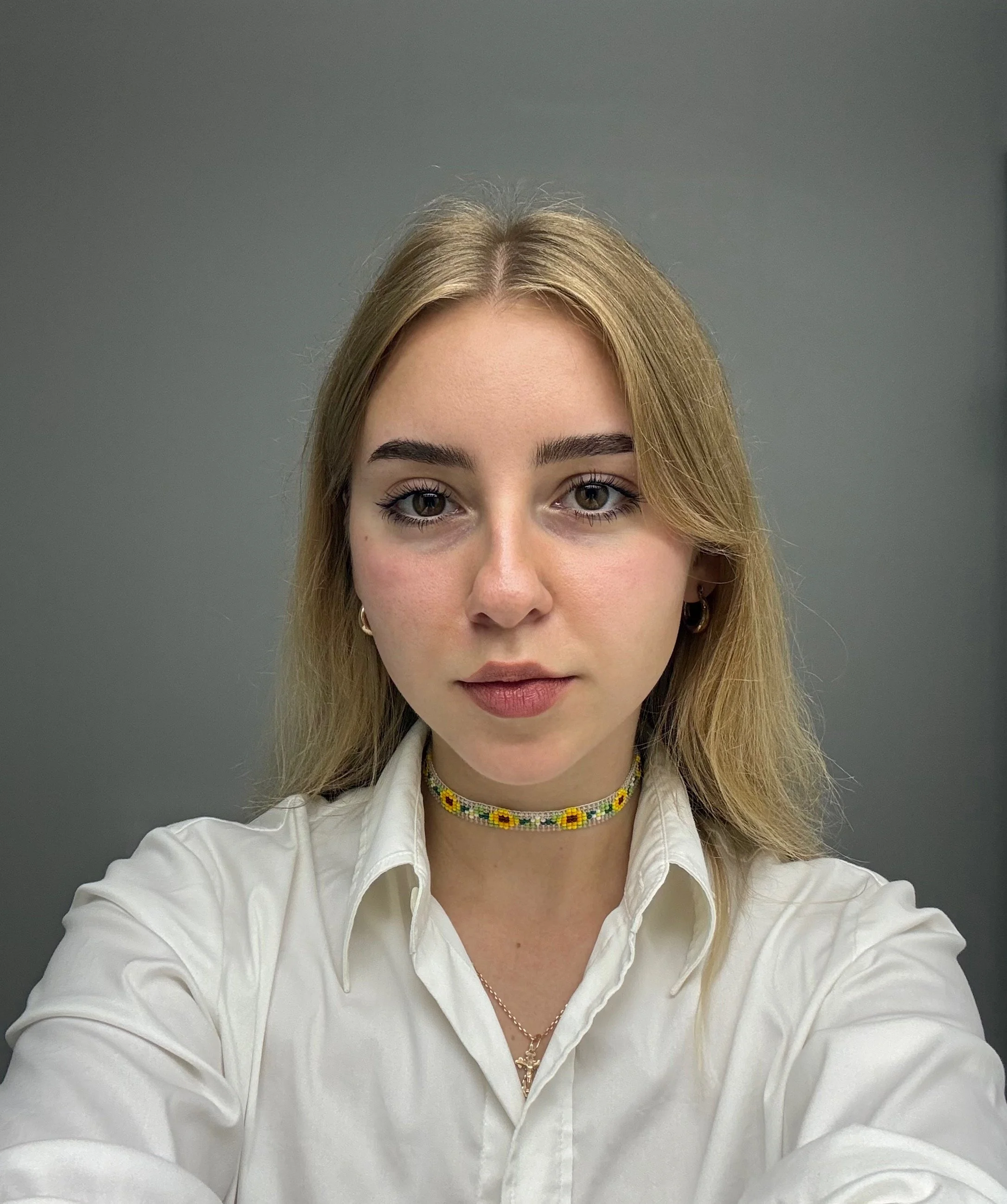
Sofiia Budianska
“Possible versus Probable: Exploring Ukrainian Immigrants’ Beliefs About Their Future in Edmonton, Alberta”
-
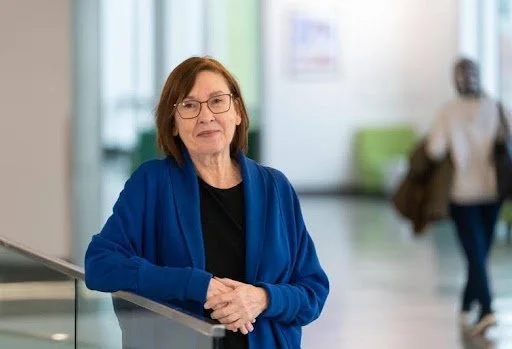
Elizabeth Burgess-Pinto
“A Narrative Inquiry into the Experiences of Ukrainian Civilian Nurses During War”
-
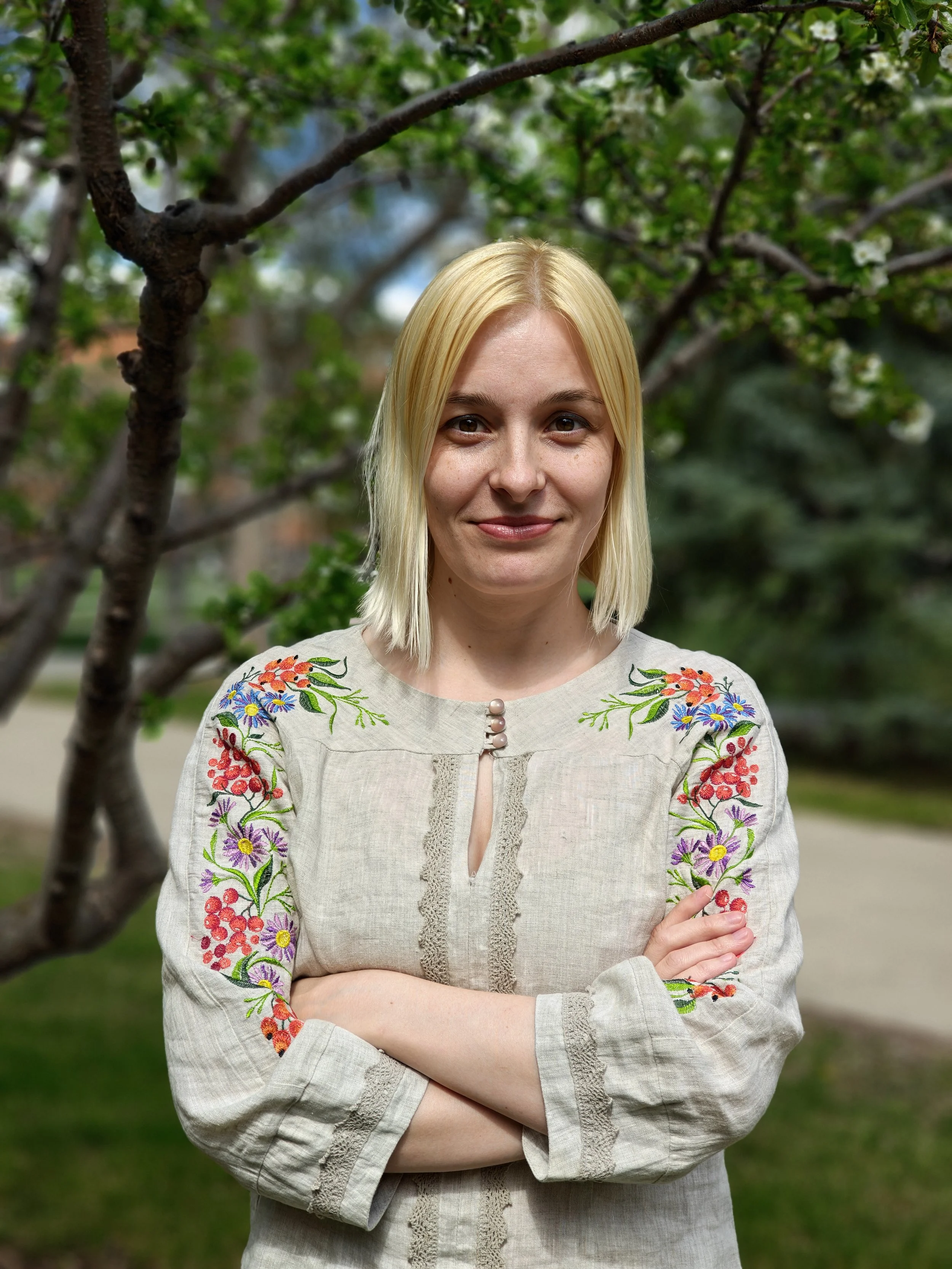
Mariia Burtseva
"From Ukraine to Canada: Experience of LGBTQI+ Ukrainians (2014–24)"
-

Oksana Butkovska
"Multimedia and sustainability: Exploring video-based learning of Ukrainian as a less commonly taught language"
-
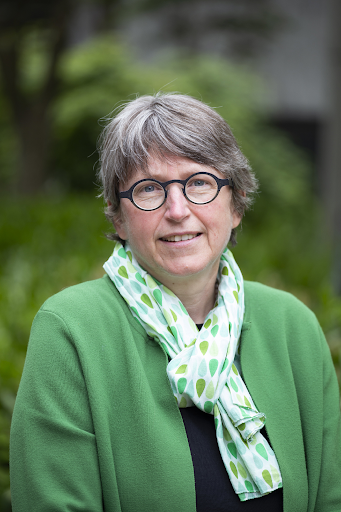
Vera Caine
“A Narrative Inquiry into the Experiences of Ukrainian Civilian Nurses During War”
-
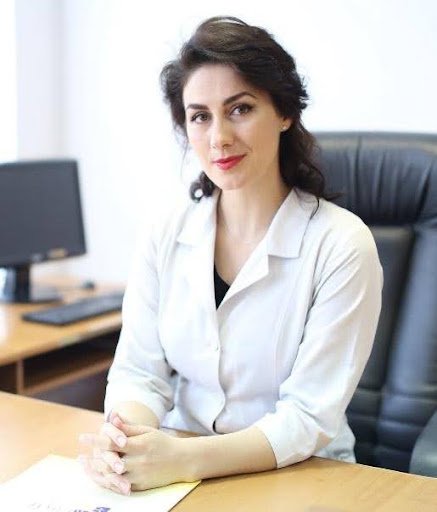
Svitlana Danchak
“A Narrative Inquiry into the Experiences of Ukrainian Civilian Nurses During War”
-
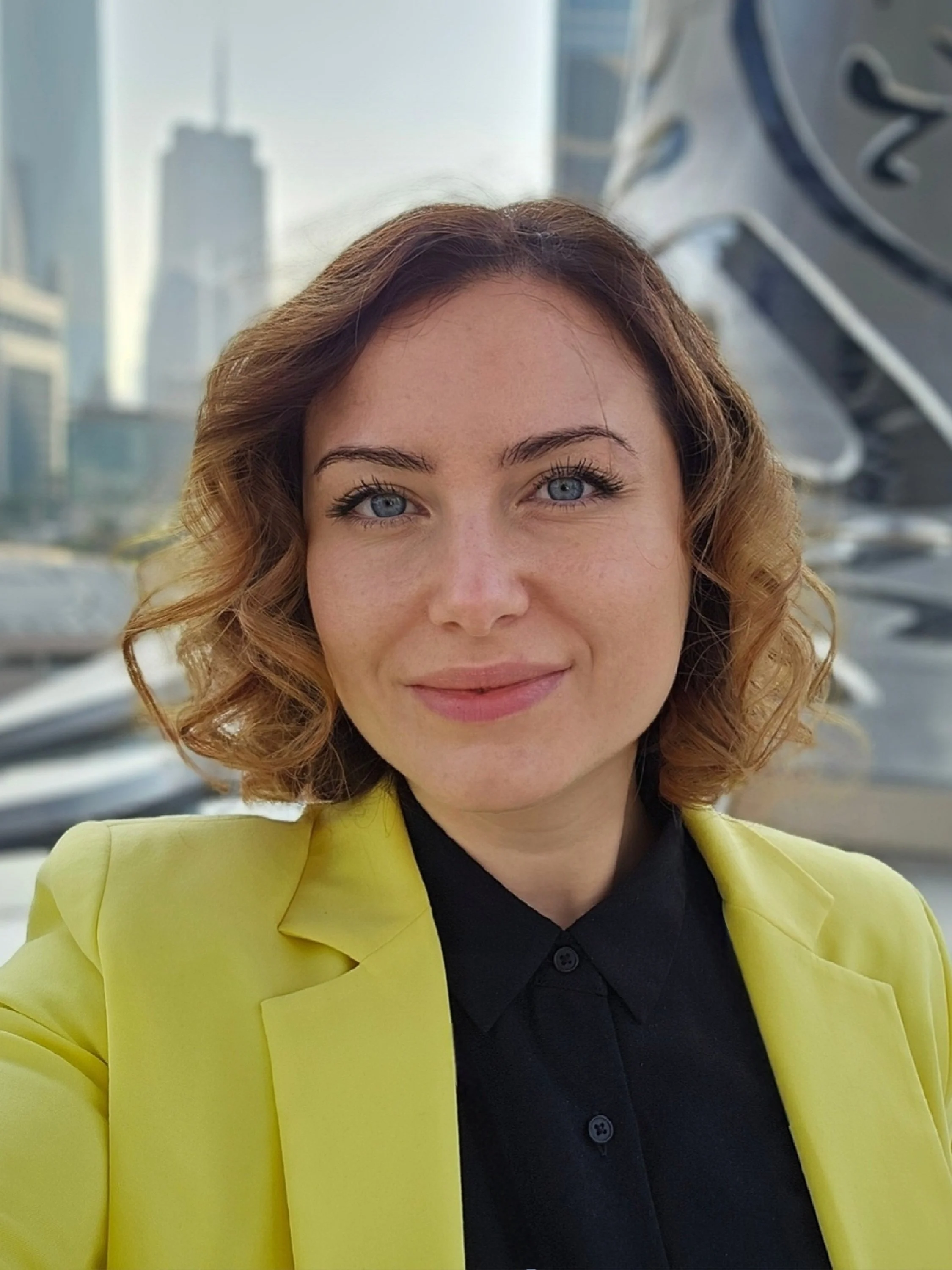
Iryna Gerasymenko
"Kaleidoscope of futures studies and foresight in Ukraine: Past, present and futures"
-
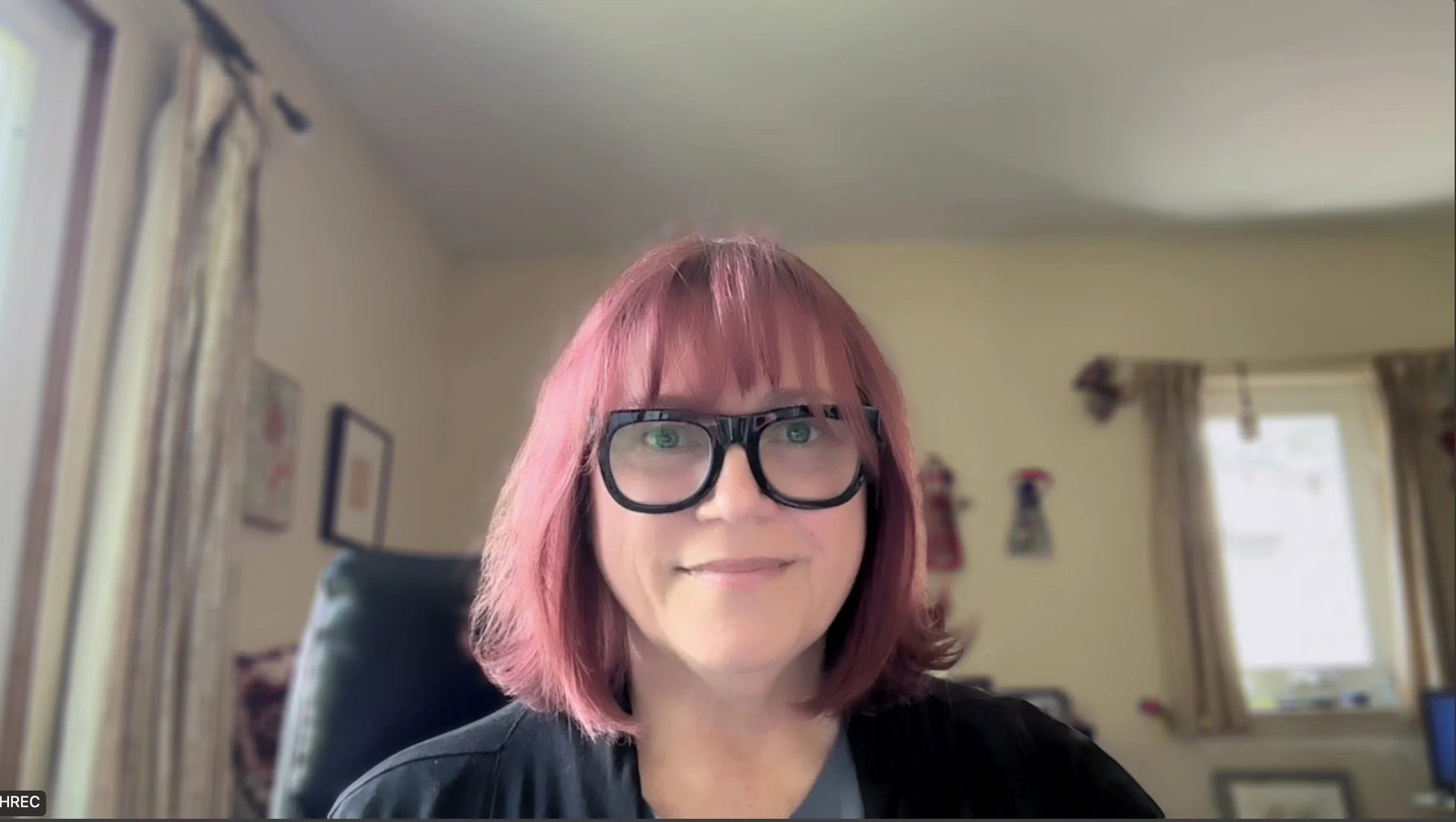
Sophia Isajiw
"Mainstreaming Holodomor Education: Building a Framework for Sustainable Curriculum Integration and Lasting Educational Change" | "What Should Holodomor Education Become?: Building A Research Roadmap for the Next Chapter"
-
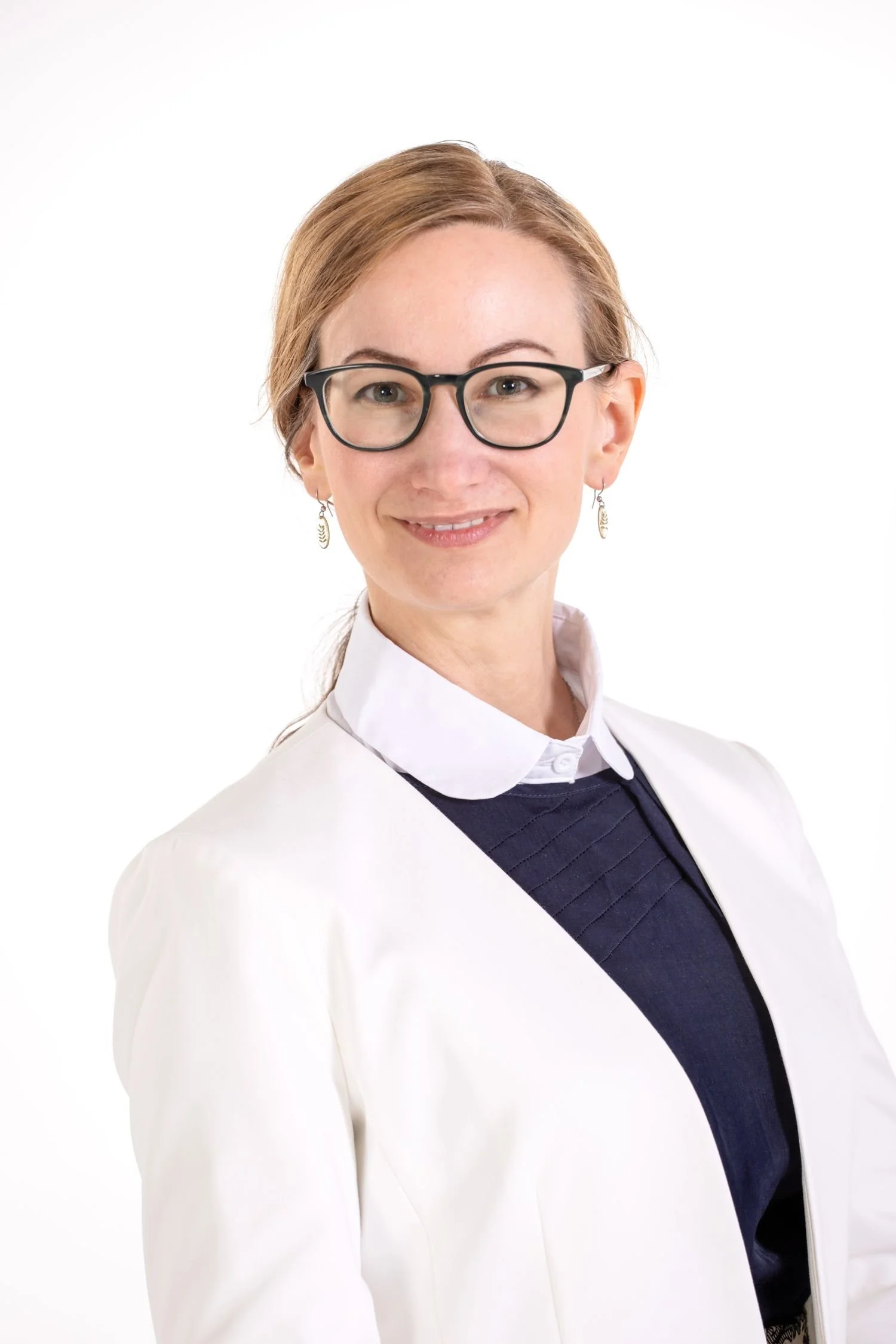
Ingeborg Jandl-Konrad
"Visual and verbal peace strategies in German-language Ukrainian literature: Katja Petrowskaja’s essayistic encounters with photography in the face of the Russian invasion"
-
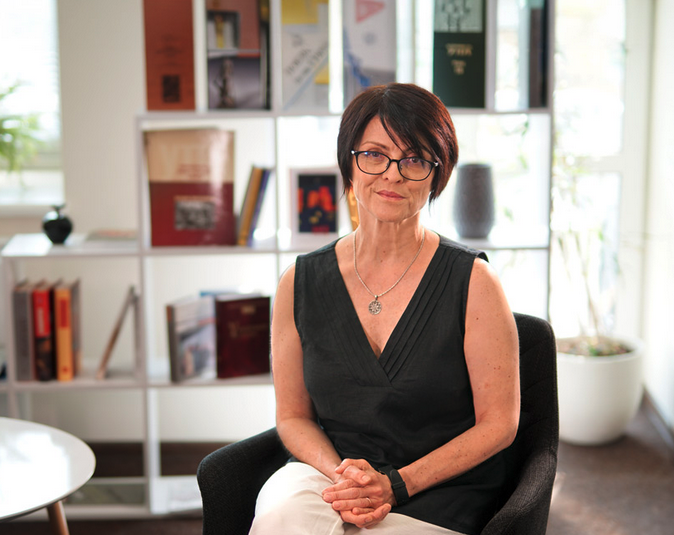
Natalia Khanenko-Friesen
“KGB and the Ukrainian Diaspora: Digital Archives and Research Lab” | “The Adalet Digital Reading Room. Undoing the Language of the KGB Files: Indigenous Peoples of Soviet Crimea (1944–1991)”
-
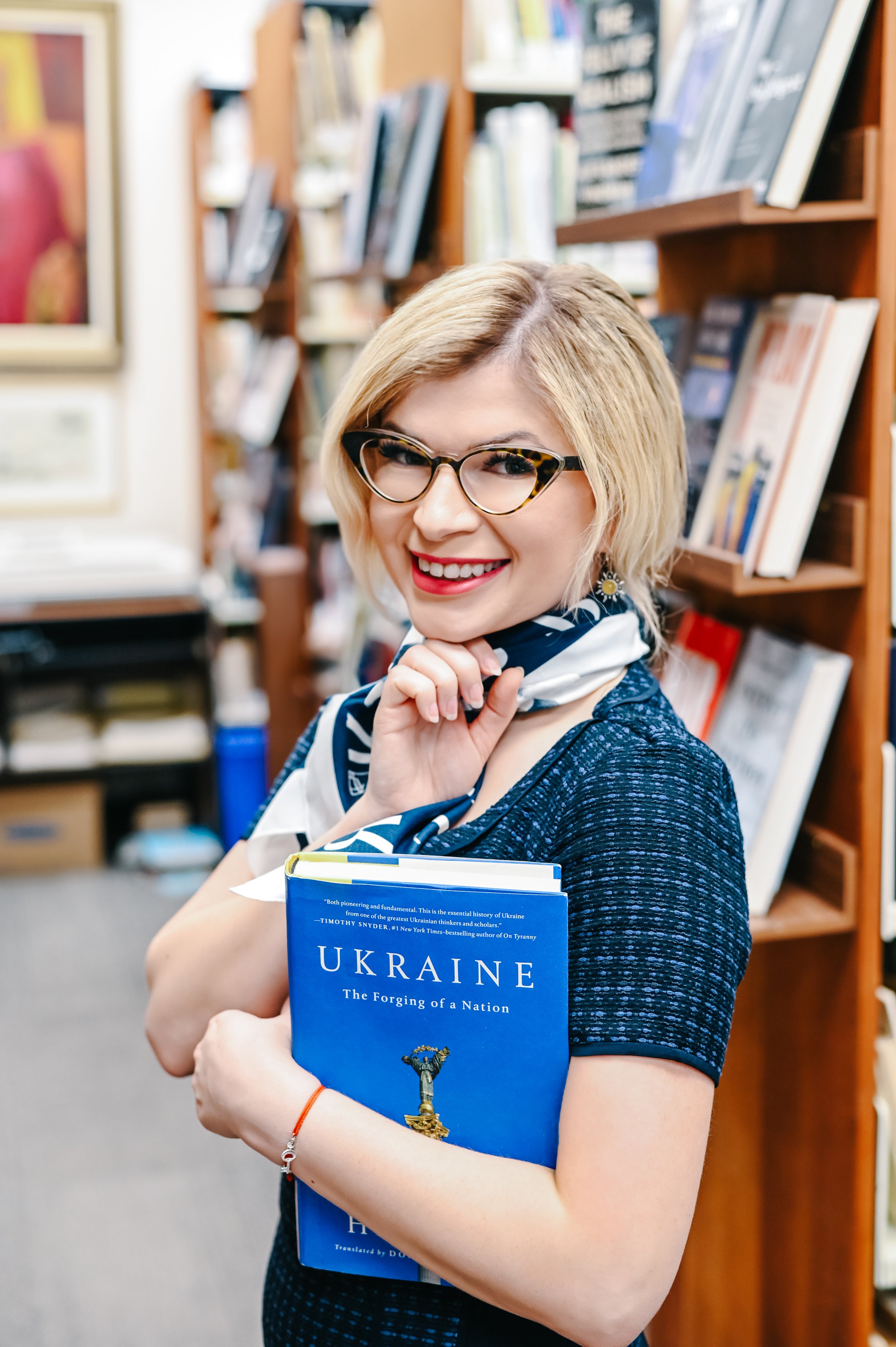
Olha Korniienko
“Ukrainian Fashion Behind the Soviet Label: Soviet Ukraine and the Politics of Visibility”
-
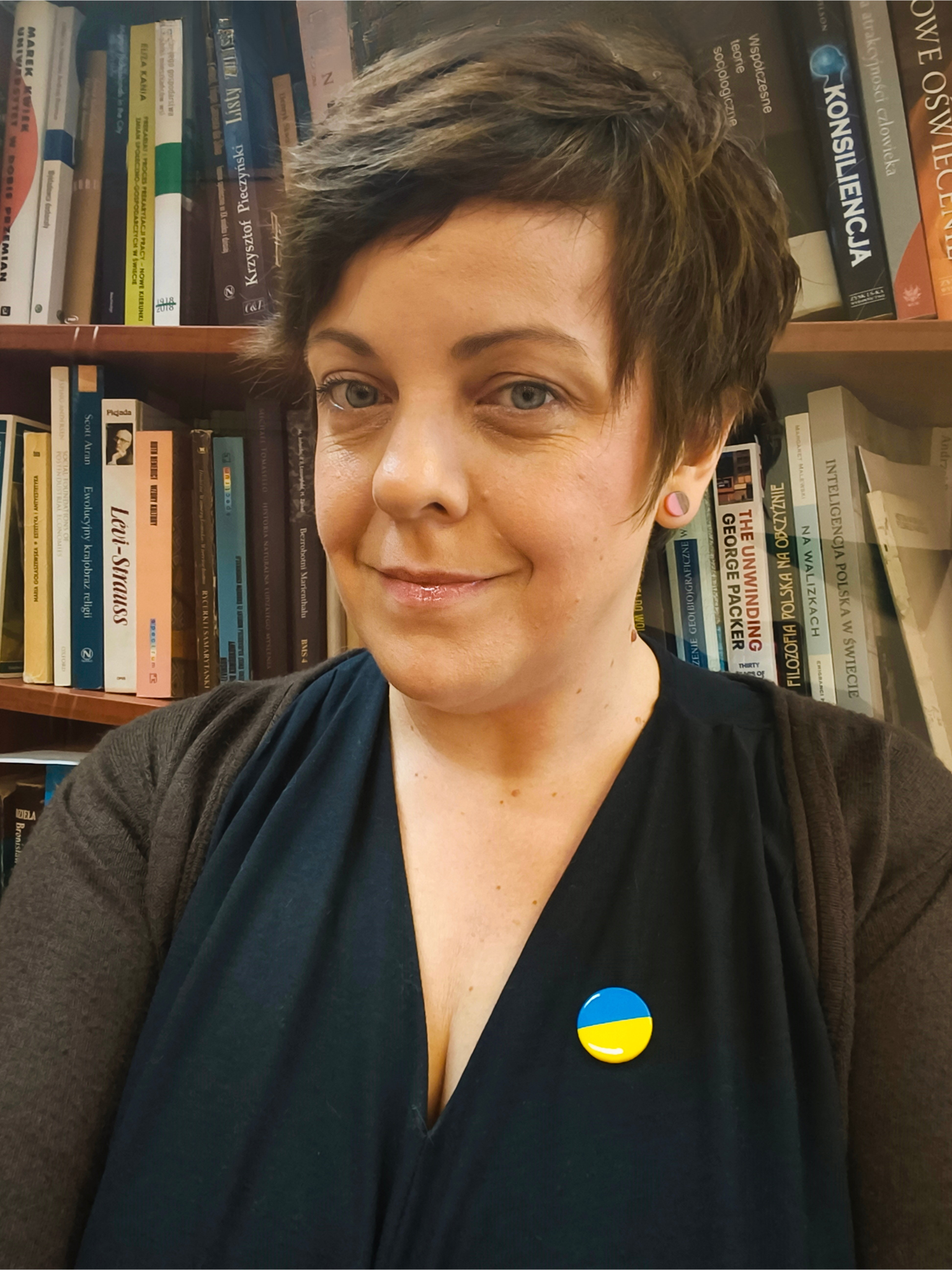
Katarzyna Krakowska
"Recentring Ukraine through biographical narratives: Women in later life on everyday lives, historical change, and longing"
-

Jennifer Long
“Possible versus Probable: Exploring Ukrainian Immigrants’ Beliefs About Their Future in Edmonton, Alberta”
-
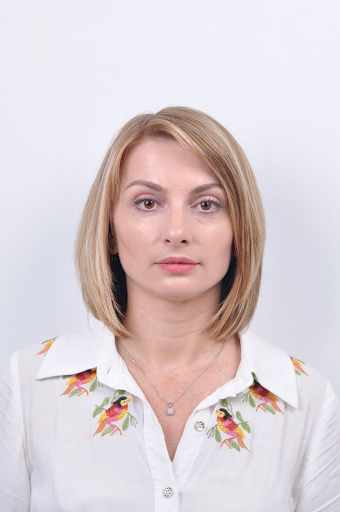
Lyudmyla Mazur
“A Narrative Inquiry into the Experiences of Ukrainian Civilian Nurses During War”
-
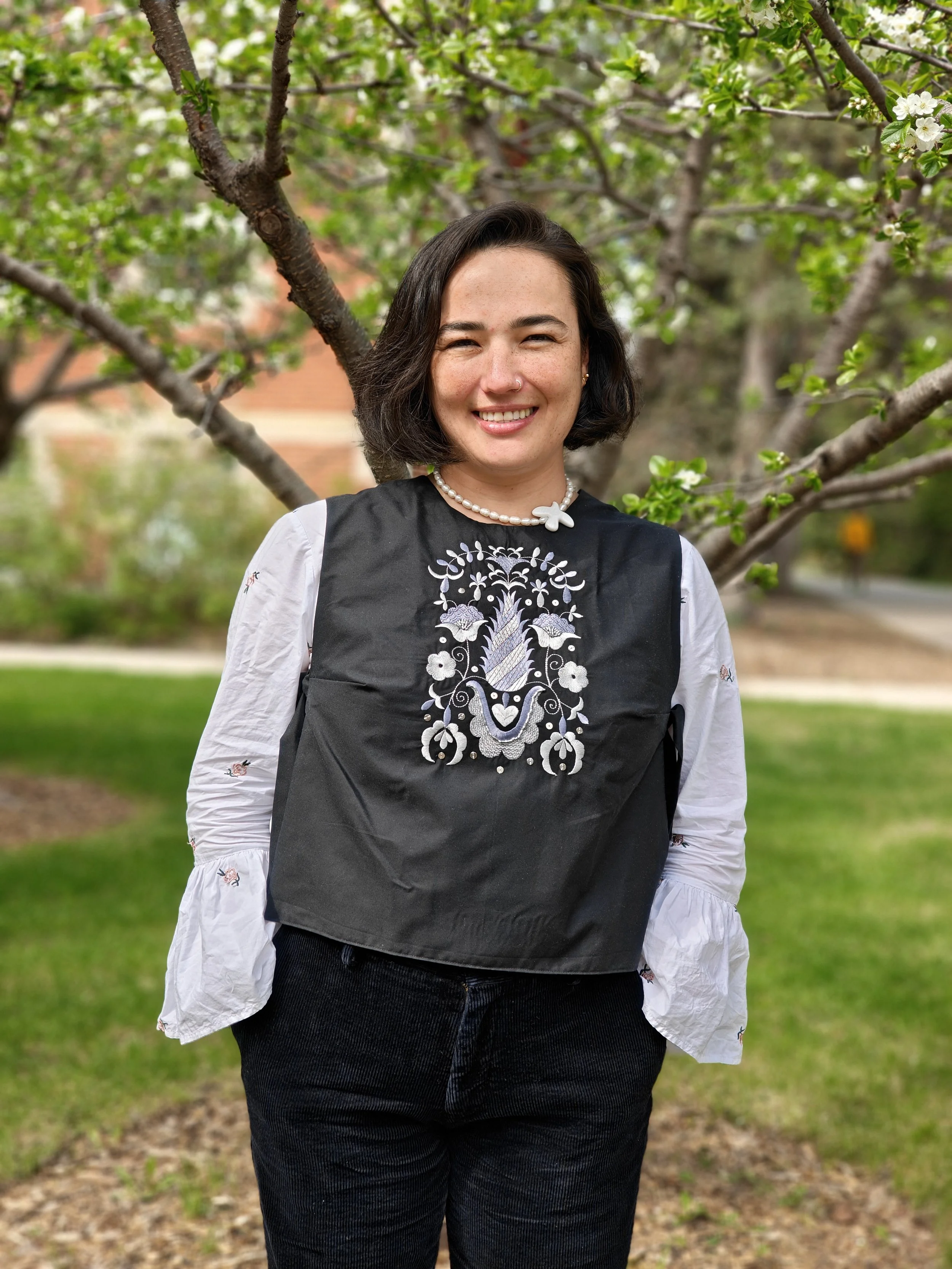
Nara Narimanova
"Crimean Tatar topographic memory and resistance to colonial erasure"
-
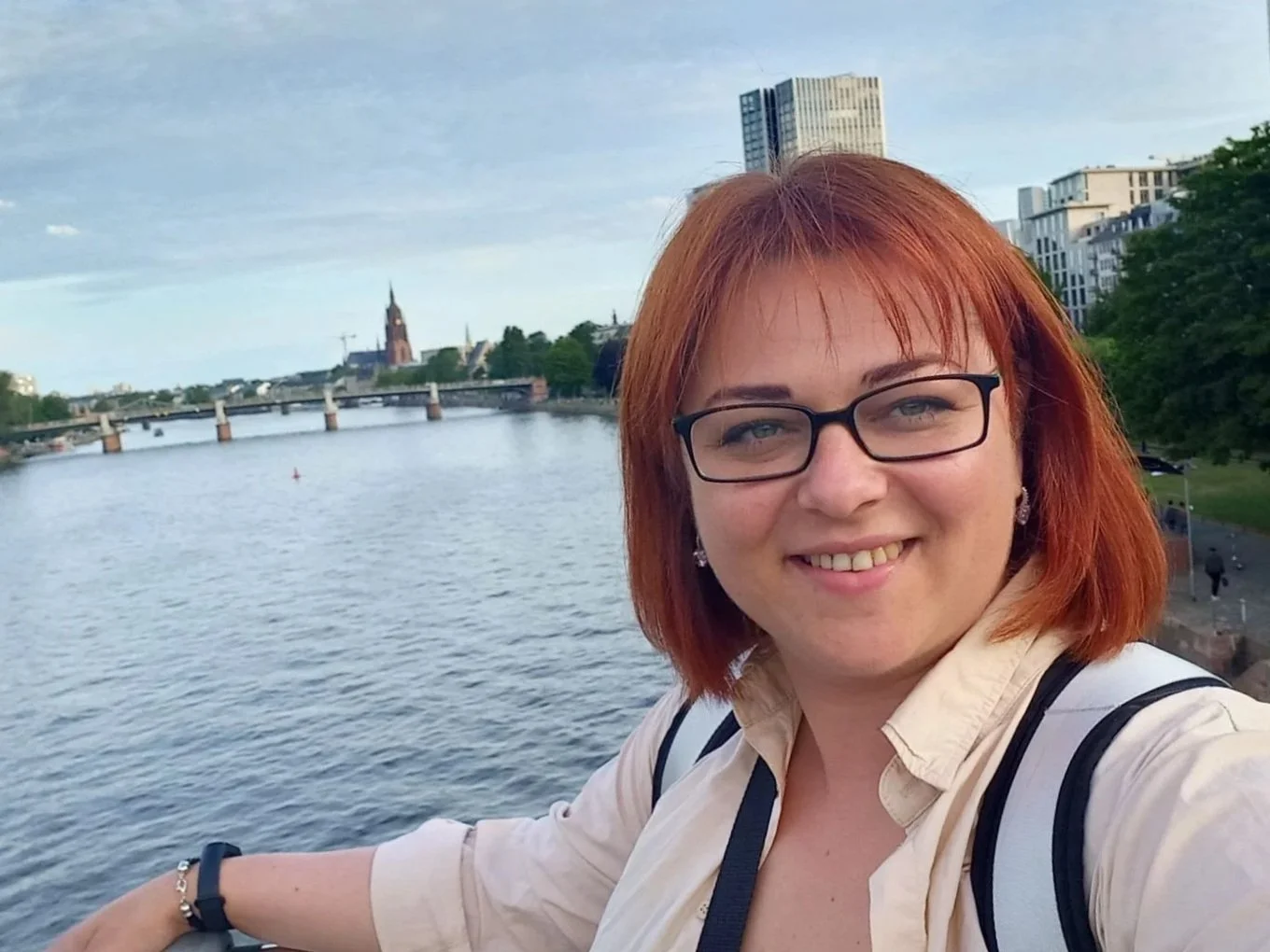
Anna Olenenko
"Landscape and National Identity: Contested Narratives on the Dnipro Wetlands"
-
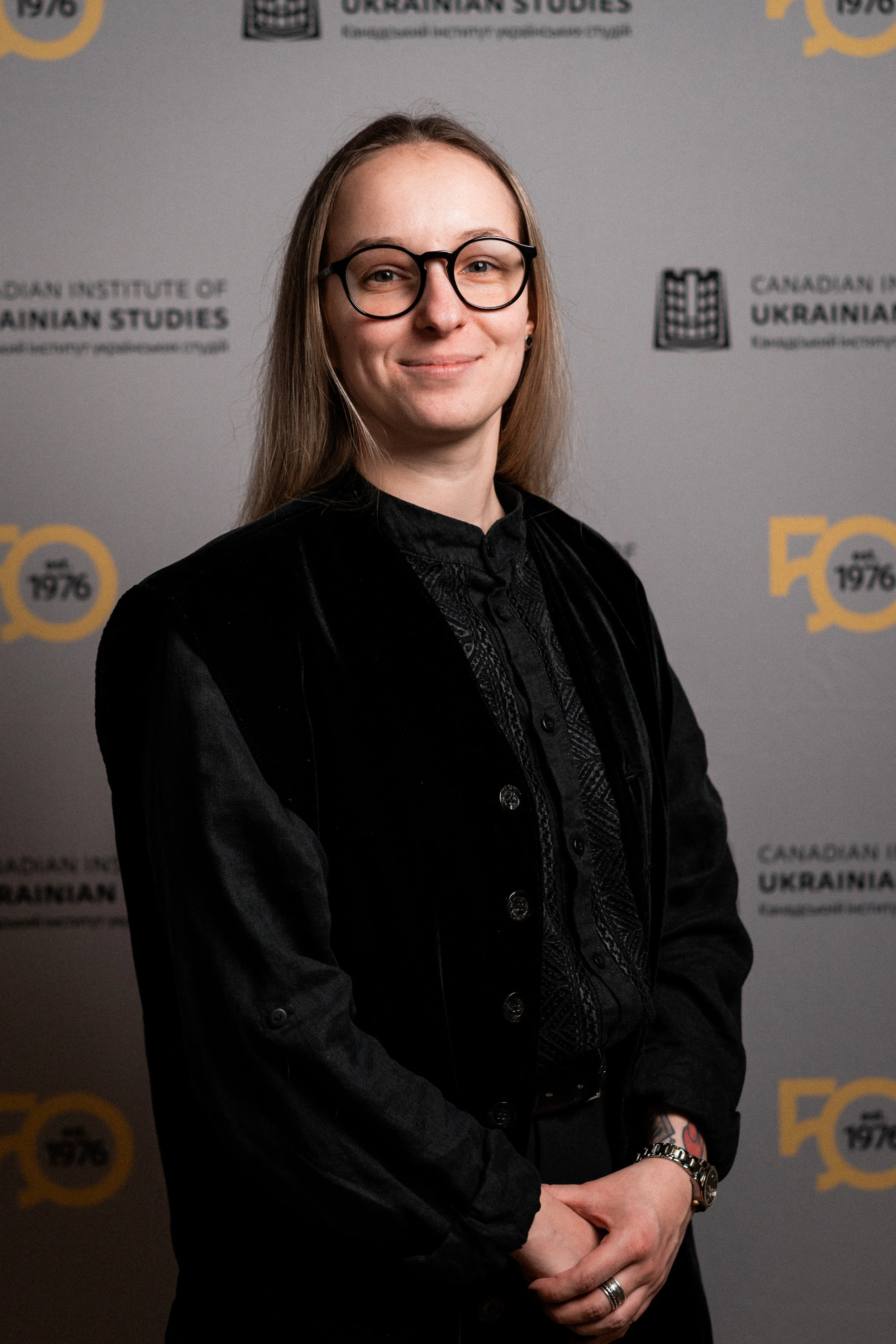
Mariia Ostroha
"Building sustainable futures through Ukrainian language education and multimedia learning"
-
Kateryna Petrova
“‘Voices of Steppe Ukraine’: A project to preserve the archive of the Yakiv Novytskyi Zaporizhzhia Scientific Society”
-
Dmytro Yesypenko
"Imagining disease, interpreting war: Epidemic narratives in contemporary Ukrainian literature and song lyrics"