

Programme
Razom Emerging Scholars Lunch & Networking
An informal networking event for students and scholars; all are welcome.
Registration is required: Please indicate your attendance by checking ‘RAZOM Networking Event’ on the symposium registration form.
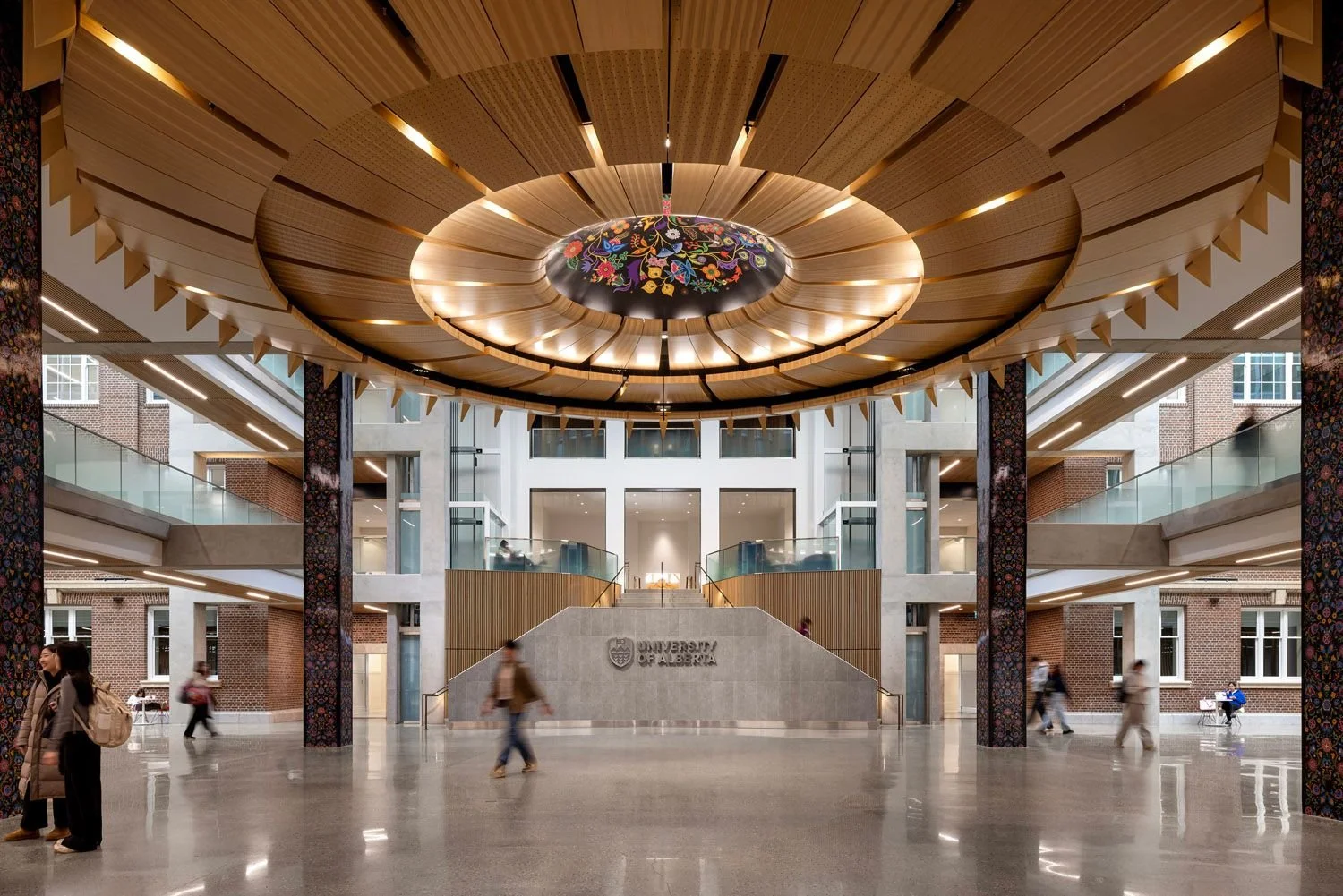
Official Opening & Welcome
Official public opening of the Recentring the Humanities International Symposium, with greetings from university and government representatives.
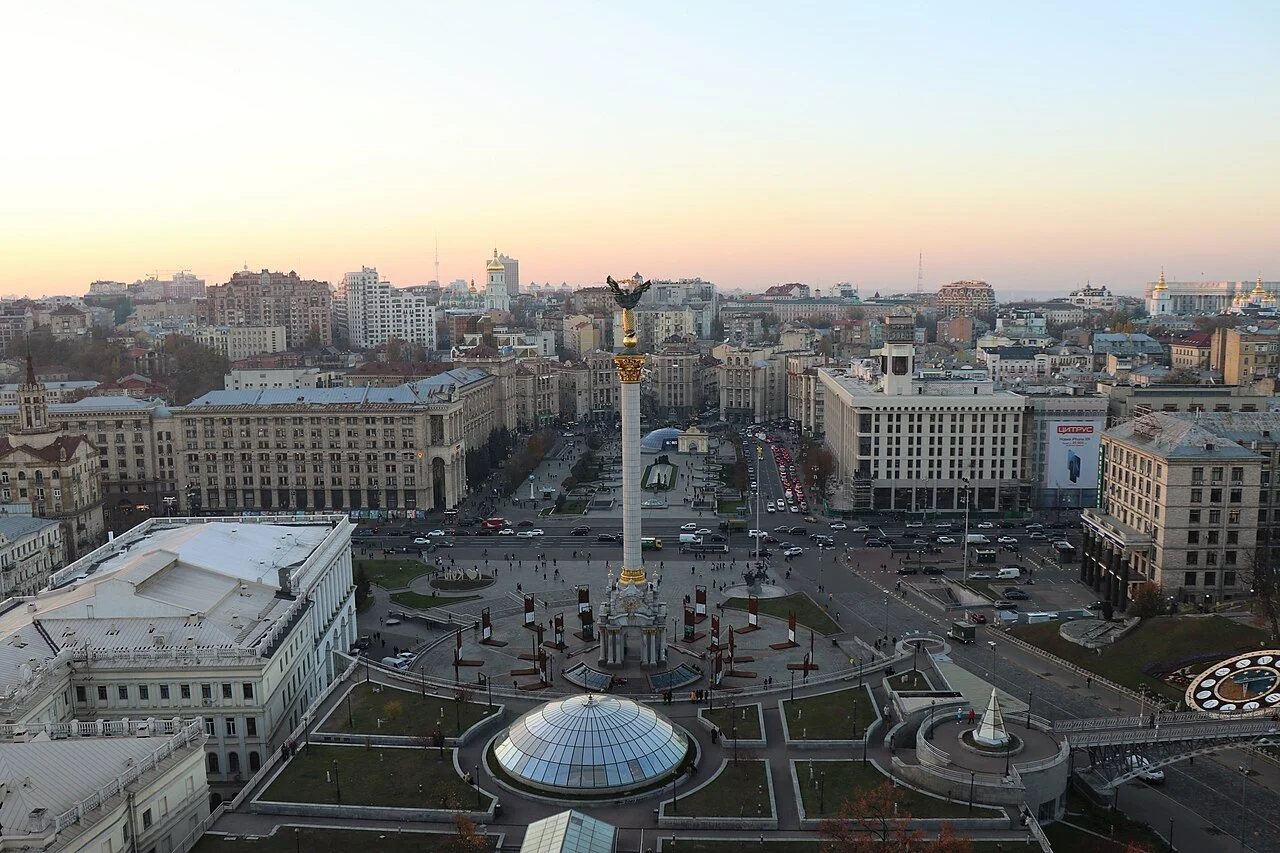
Ukraine and Global Humanities
What can Ukraine offer the global humanities at a moment when the world is finally paying attention?
With Yaroslav Hrytsak, Yohanan Petrovsky-Shtern, Serhii Plokhy, Tamara Hundorova, and Natalia Khanenko-Friesen (lead)
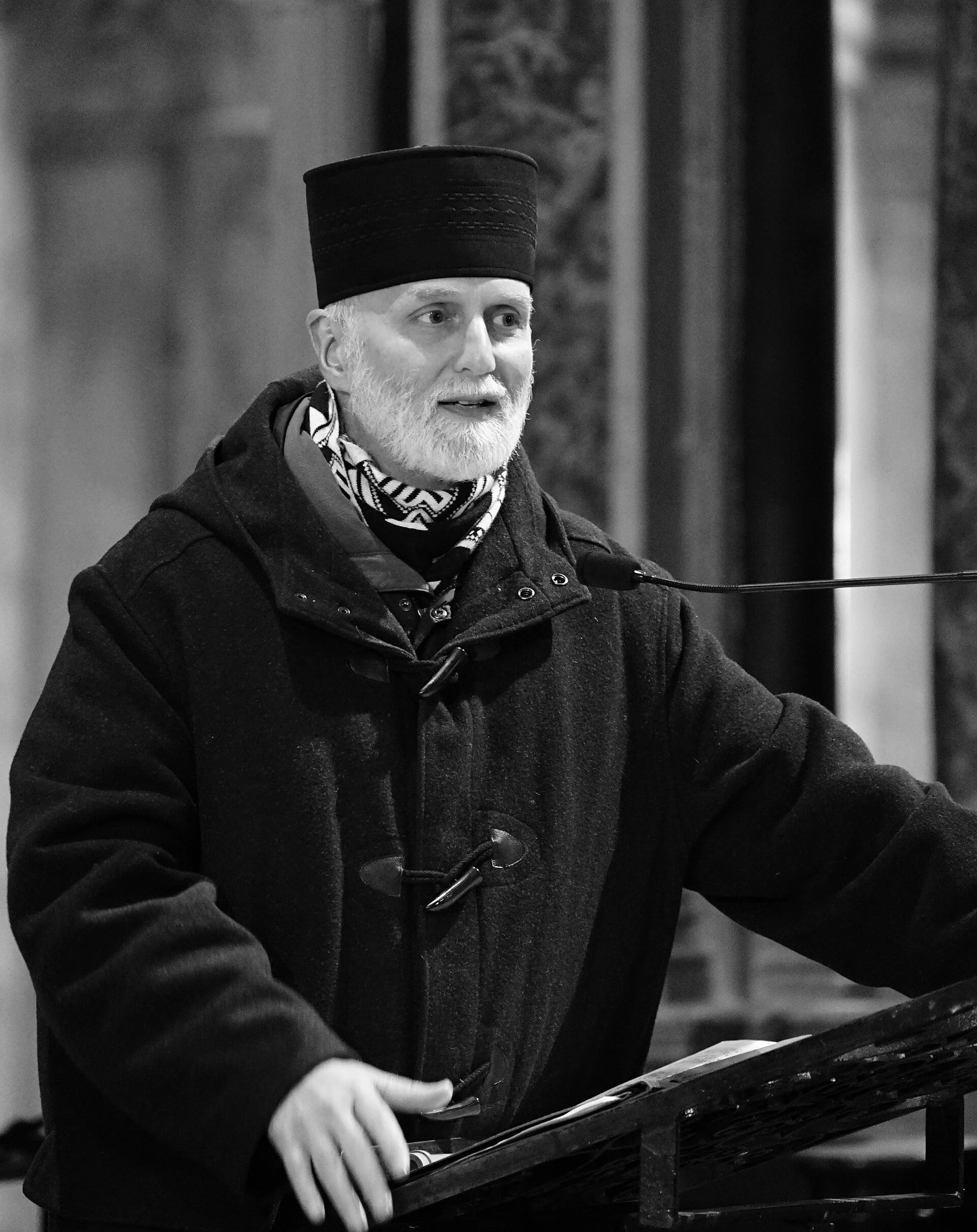
Keynote Address | 25 Years of the Bohdan Bociurkiw Memorial Lecture
“The World Has Never Been So Ukrainian: Challenges and Оpportunities of the Global Ukrainian Community” with Metropolitan Borys Gudziak, Metropolitan-Archbishop of the Ukrainian Catholic Archeparchy of Philadelphia
Ukraine is boldly and creatively confronting a veritable existential threat that has mobilized heroic military resistance, singular and systemic expression of solidarity, a cultural effervescence, and radical soul searching. Ukraine has become an epicentre and catalyst of global change. The world has watched with unprecedented awareness of Ukraine and attention to its people. Many nations, organizations, and individuals have engaged in and aided the struggle for the defense of God-given human dignity, democracy, and political, social, and religious liberties. The struggle for survival is not only military but also demographic. Hundreds of thousands have been killed and maimed, millions traumatized and forced to leave their homes and homeland. Increasing emigration and plummeting birthrates have brought the population on territory controlled by the Ukrainian government down to approximately 28 million. Ukrainian migrants have landed and are settling on six continents and in many countries that never hosted Ukrainians. The broader and greater dispersion of Ukrainians and inevitable assimilation, while creating many opportunities, leads to many questions and our search for answers.
Reception to follow from 7:30–9:00 p.m.
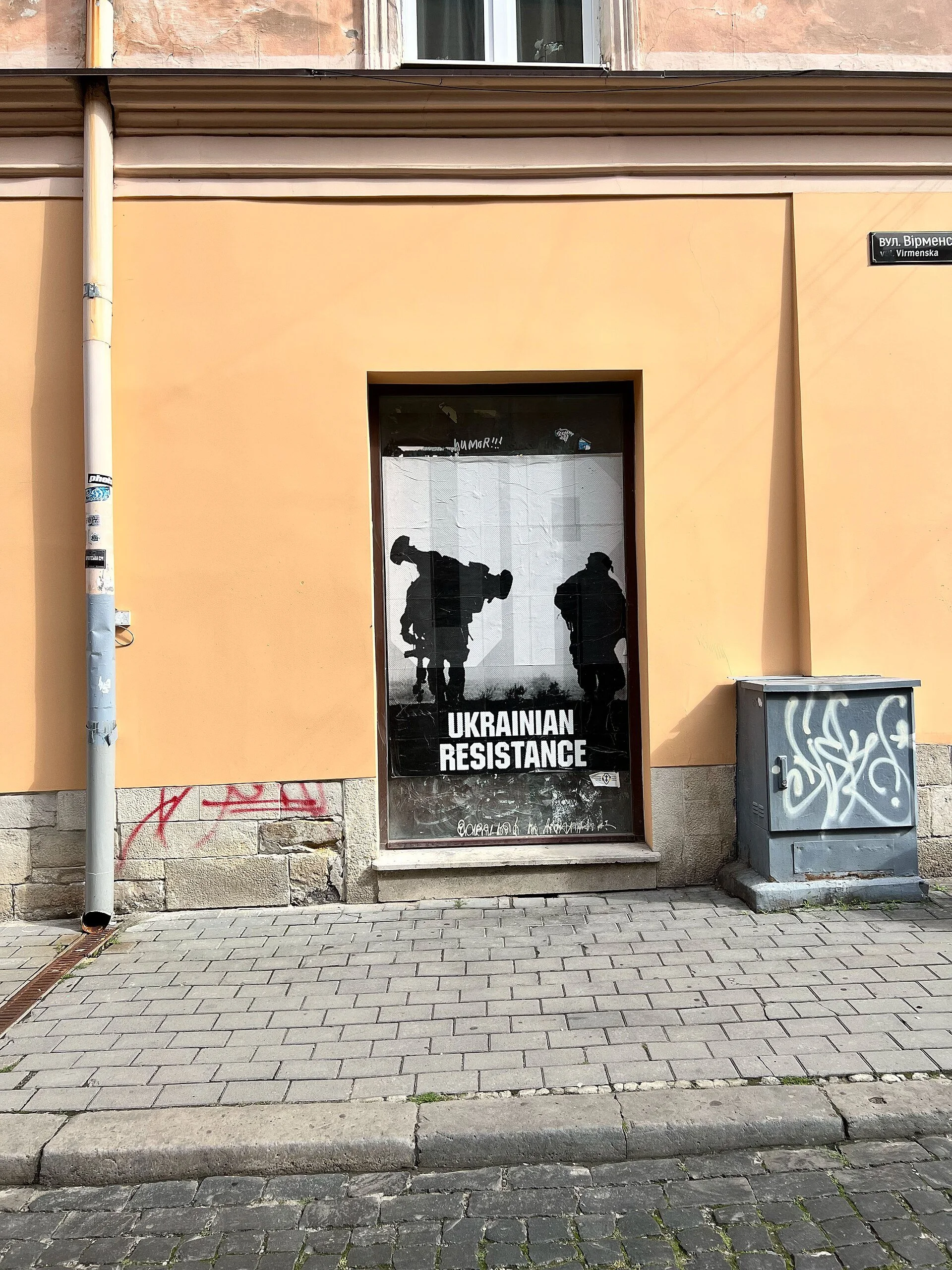
Ukraine and Epistemologies of the Future
Four years of decolonization work have reshaped the field. What comes next, and what is the Ukrainian contribution to evolving patterns of knowledge production in the humanities?
With Marci Shore, Volodymyr Yermolenko, Vitaliy Chernetsky, and Taras Koznarsky (lead)

Ukraine, the Russian War, and Discourses of Justice
Conflicts are unfolding worldwide and justice is being redefined. What dialogues emerge between global discourses on justice and those in Ukraine, and what is Ukraine’s role in that rethinking?
With Oleksandra Matviichuk, Refat Chubarov, Kristina Hook, and Temitope Oriola (Lead)
50 Years of CIUS: Exhibit Presentation
With Dmytro Yesypenko, Mariia Burtseva, and Serge Cipko (lead)
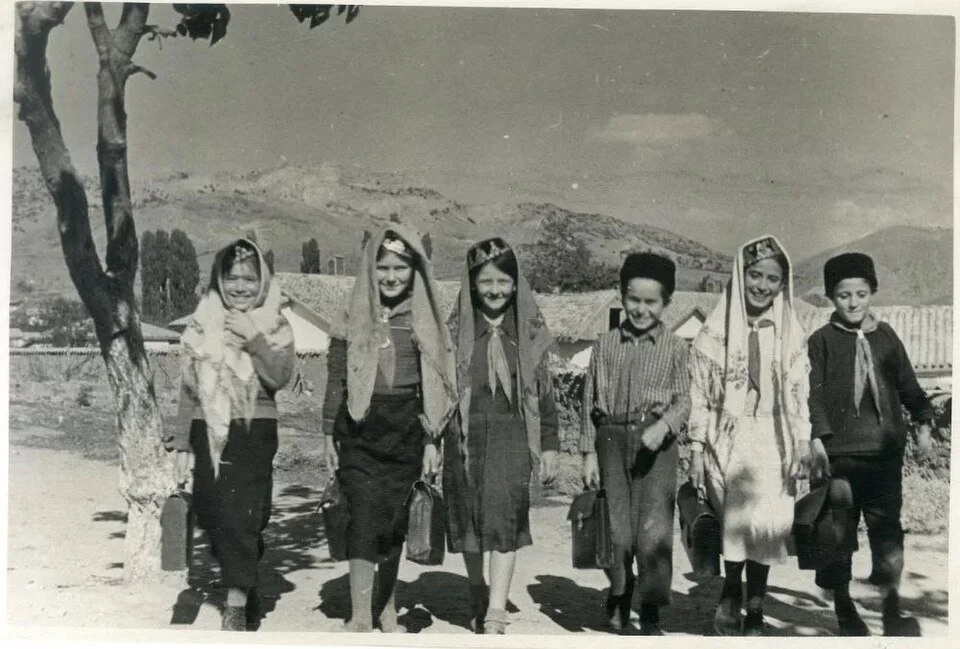
The First People: Indigeneity and Ukraine
Indigenous studies offers a lens that Ukrainian studies has rarely used. How can the two fields build a dialogue, and can indigeneity serve as a central analytical frame for Ukraine’s past and future?
With Alim Aliev, Rory Finnin, Martin-Oleksandr Kisly, Janush Panchenko, and Nykkie Lugosi-Schimpf (lead)
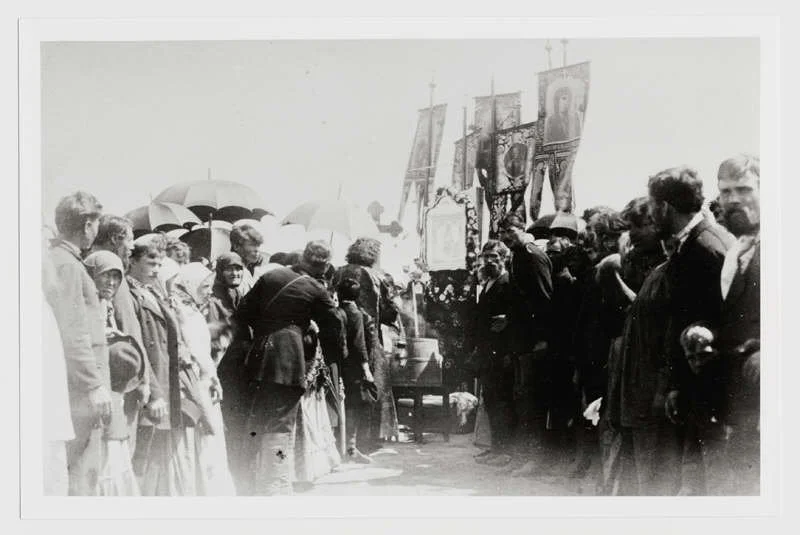
Agency, Resilience, Dialogue: Religion in Times of Rupture
Parallel Session Track A
Ukraine’s religious communities have both held the country together and driven it apart. What will be asked of faith once the war ends?
With Heather Coleman, Borys Gudziak, Olenka Pevny, Elmira Muratova, and Frank Sysyn (Lead)
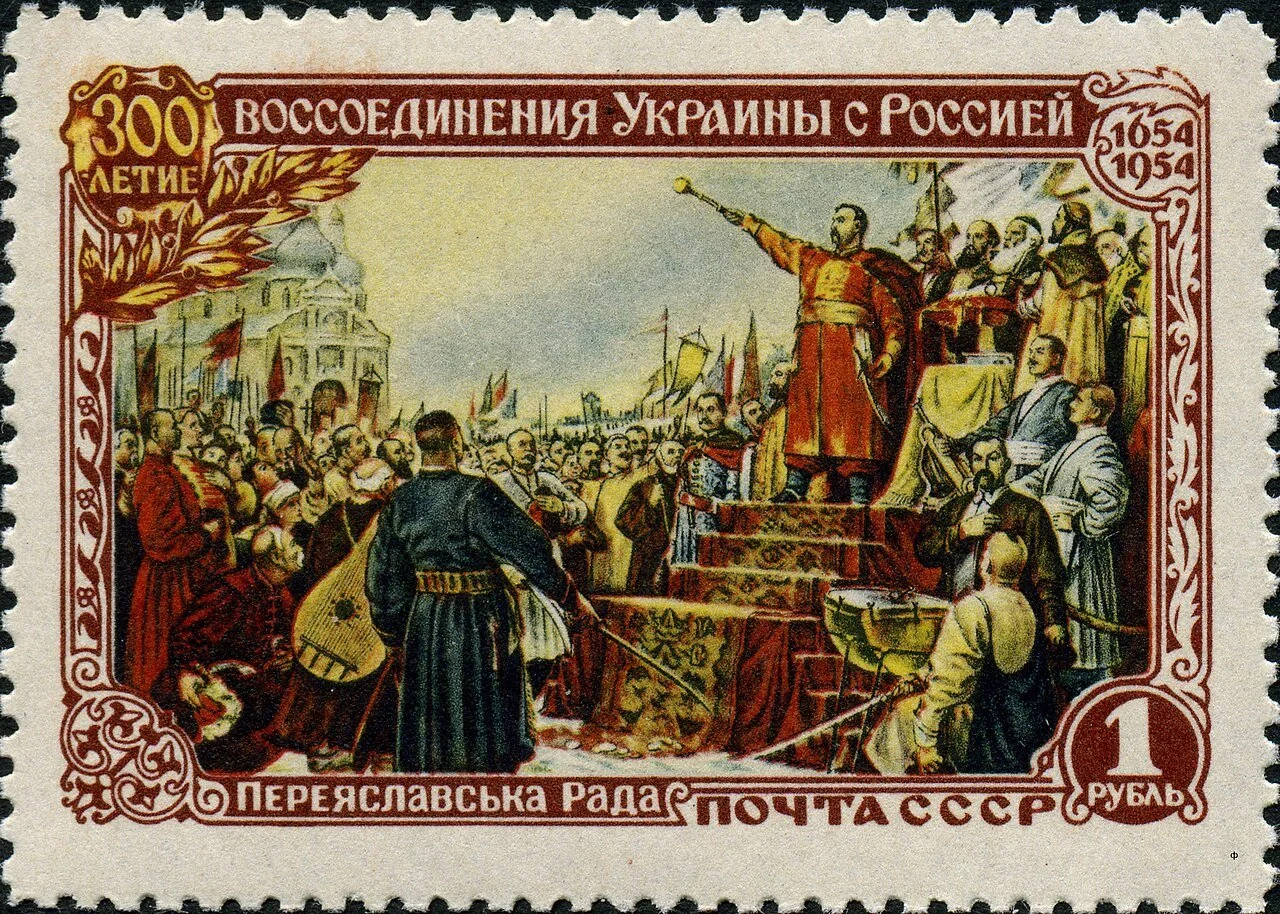
Weaponizing the Past: Undoing Propaganda and Misinformation
Parallel Session Track B
History is often manipulated through distorted discourse and storytelling. How can these patterns be broken, and what can Ukraine offer scholarship on propaganda and disinformation?
With Andrew Wilson, Andriy Kohut, Gelinada Grinchenko, and Oleksandr Pankieiev (Lead)
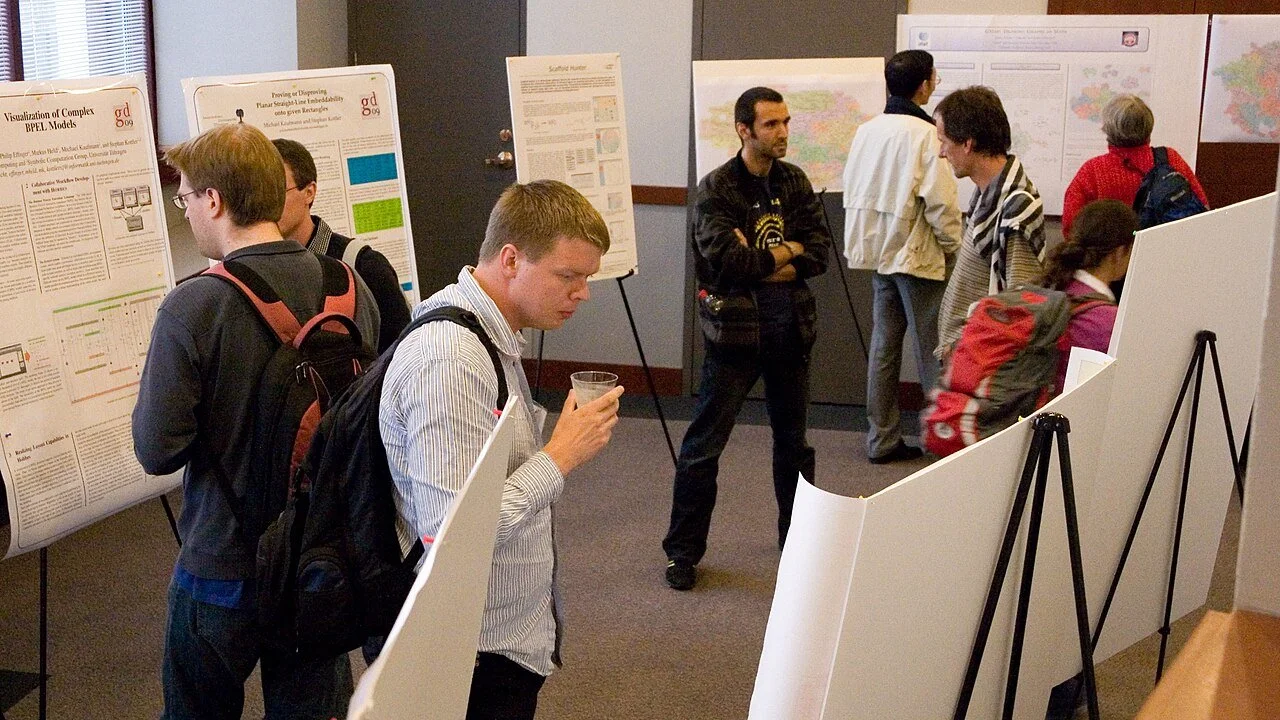
Peretyn: Poster Session
Research presentations at the intersection of emerging and established scholarship. Posters are displayed throughout the symposium, with authors present during this time session.
With Maria Ostroha and Anna Antonova (leads)
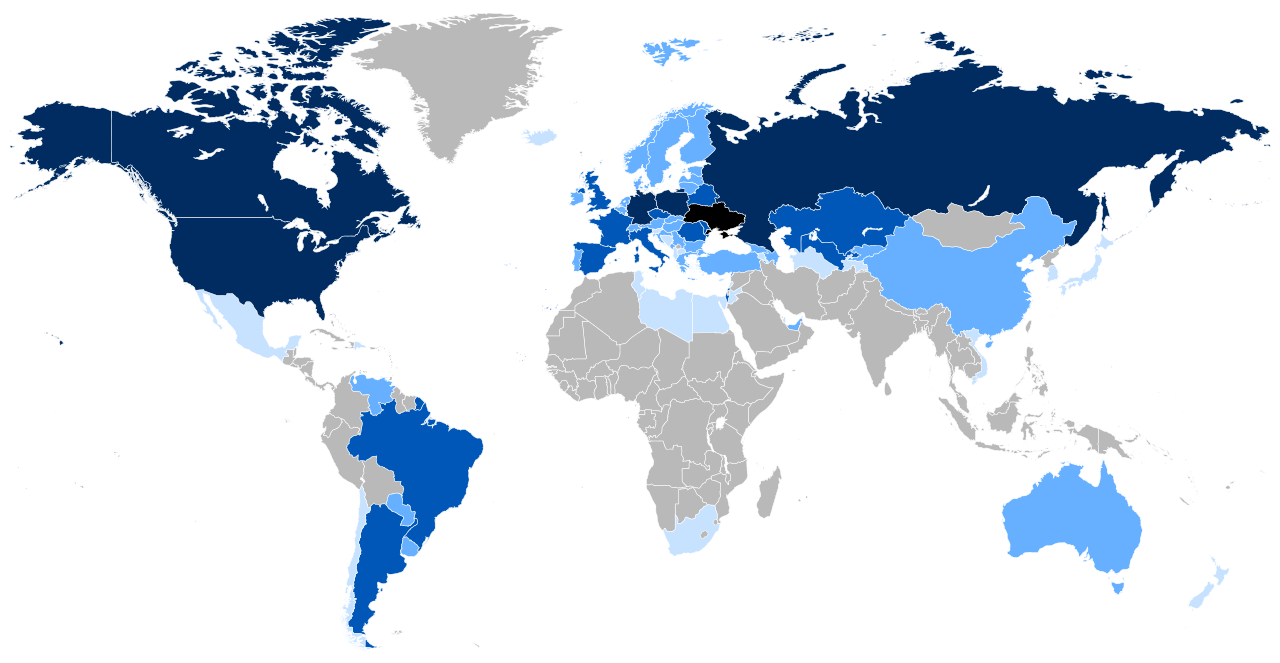
Transnationalism Anew: Diasporas, Languages, and Academic Networks
Parallel Session Track A
Displacement is reshaping Ukraine’s global diaspora on an unprecedented scale. How will this affect diaspora institutions, language education, and Ukraine’s social, political and cultural future?
With Vic Satzewich, Alla Nedashkivska, Olenka Bilash, Serhii Kvit, and Natalia Khanenko-Friesen (Lead)
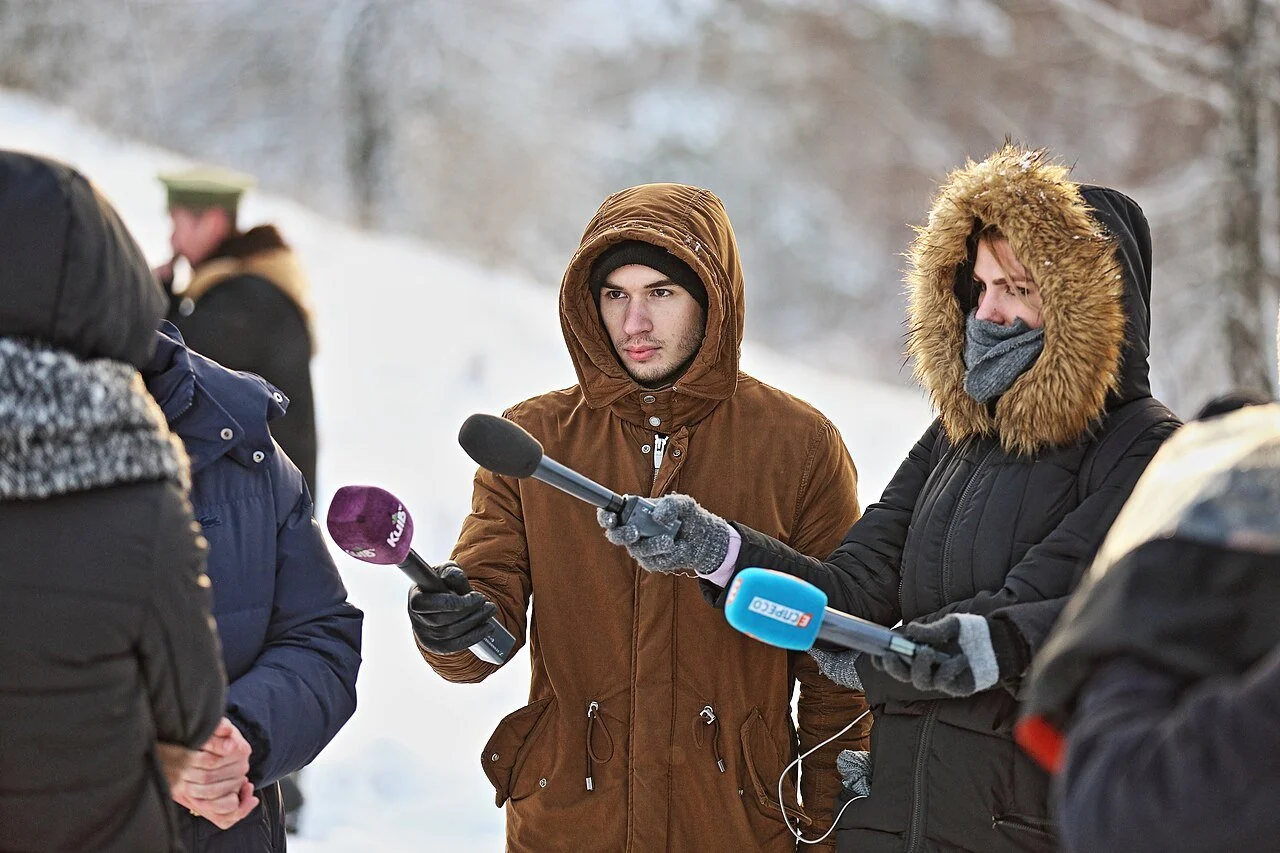
Working through Contested Memories in Times of Existential Threat
Parallel Session Track B
History is understood differently by different agents. How can an unresolved past be addressed amid geopolitical uncertainty, and what can memory work in Ukraine and Europe teach global humanists?
With Serhy Yekelchyk, Hiroaki Kuromiya, Guido Hausmann, and Dominique Reill (Lead)
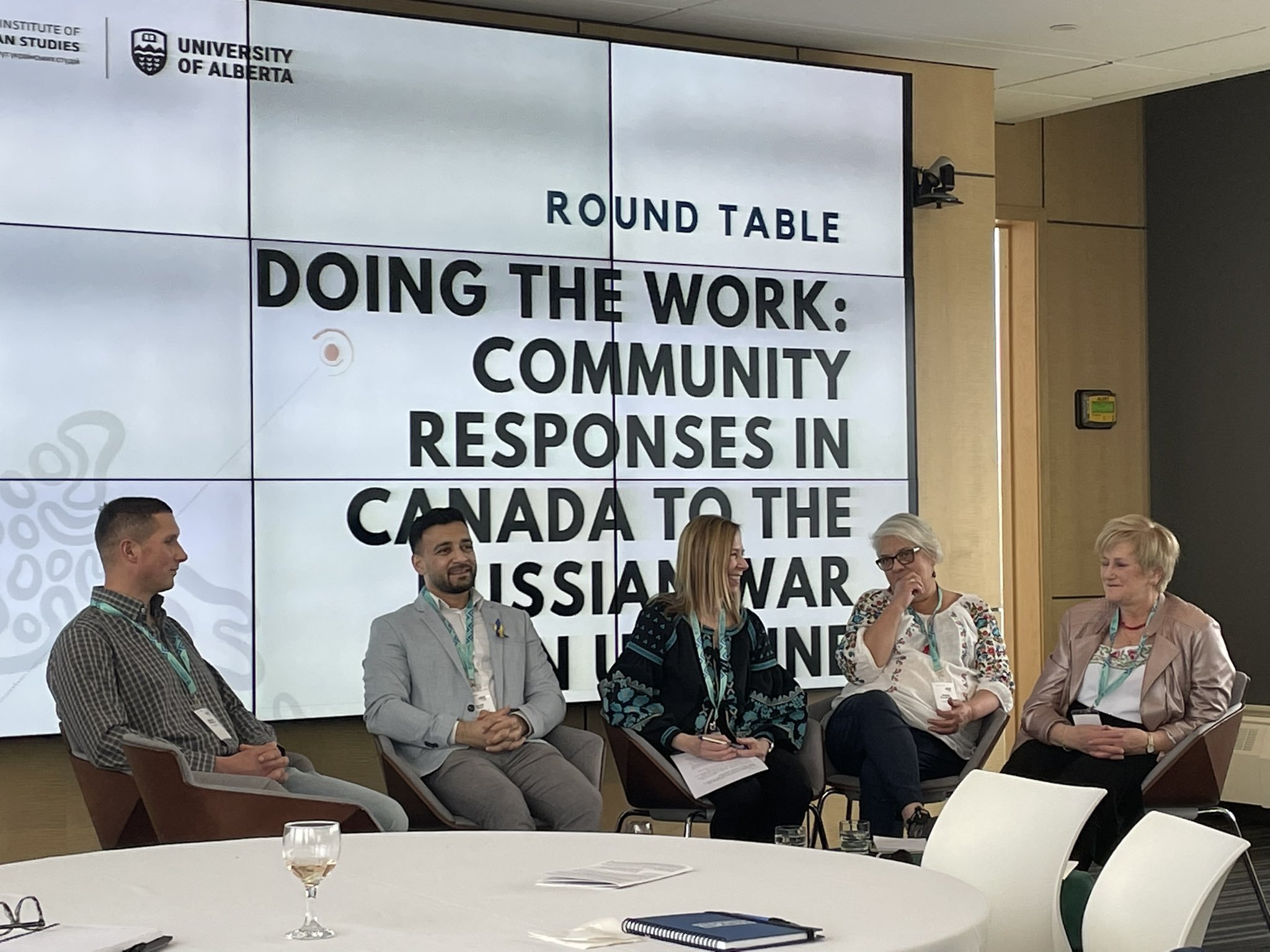
The Future of Ukrainian Studies: Emerging Voices
Eight scholars, eight tables, four rounds of twenty minutes. The audience moves on at the end of each round. Close conversation rather than talks from a podium.
With Iaroslav Kovalchuk, Olha Korniienko, Arthur McFarlane, Alexandra Shkandrij, Constance Uzwyshyn, Anna Vozna, Alexandra Wishart;,Yevhen Yashchuk, and Larysa Bilous (lead)
Community Engaged Scholarship: CIUS in the Past and the Future
With Jars Balan, Marko Stech, Marta Baziuk, Valentina Kuryliw, and Olenka Bilash (lead)
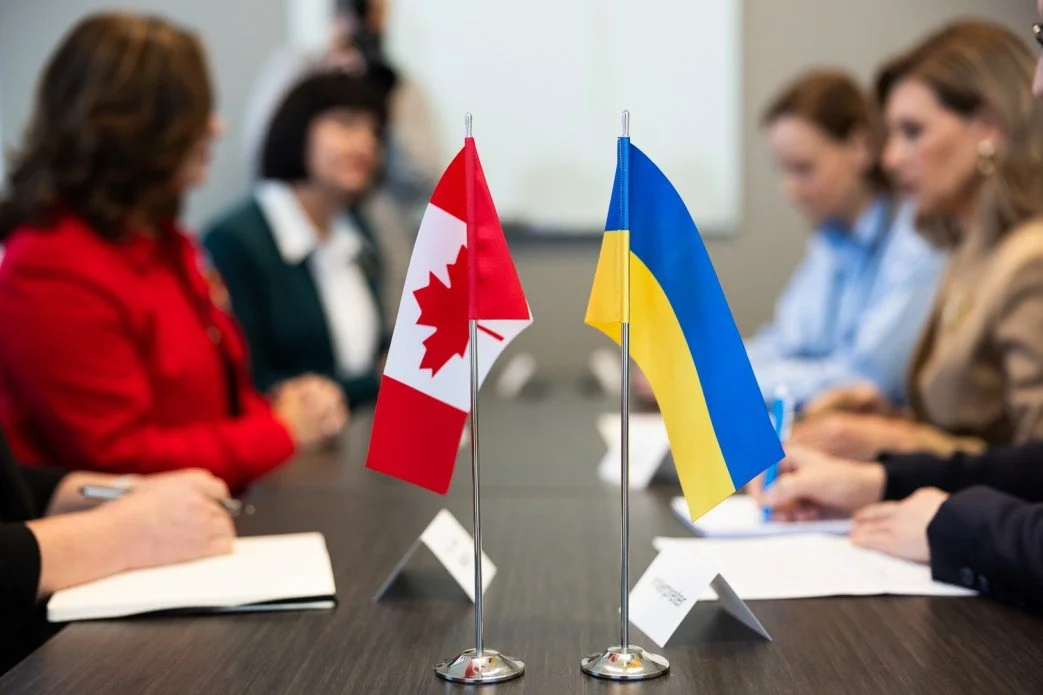
Diplomatic Recharging: Ukraine and the World
Political rupture places extraordinary demands on diplomacy. What makes diplomacy effective in such moments, and how might Ukrainian diplomacy shape global norms?
With Andrii Plakhotniuk, Natalka Cmoc, Roman Waschuk, Lila Roldán Vázquez, and Volodymyr Sheyko (lead)

Geopolitics, Ukraine, and Shared Frameworks of Responsibility
Parallel Session Track A
Ukraine’s position has given it a form of global influence. What power does it hold at this moment, if any, and what might the political future of that power be?
With Dominique Arel, Oxana Shevel, Bohdan Krawchenko, Lila Roldán Vázquez, and David Marples (Lead)

What Ukraine Will Need from Its Historians
Parallel Session Track B
When the fighting stops, Ukraine will decide what it teaches, what goes in its museums, and what becomes of the archive this war is producing. What can the discipline contribute, and what is it not equipped to do?
With Serhiy Bilenky, Andriy Zayarnyuk, Oksana Dudko, and Larysa Bilous (lead)
“CIUS at 50: Looking Back, Reflecting Forward” Gala Evening
Join CIUS for an unforgettable evening at the Art Gallery of Alberta as we celebrate half a century of transformative research, community leadership, and global impact.
This is a ticketed event. Learn more and purchase tickets here.